The nasal septum plays a very important role in our quality of life, as its proper functioning enables us to breathe proper breathing. Having a deviated nasal septum is something quite common, but if it is too crooked it can block one side of the nose and reduce the flow of air. This makes it difficult to breathe through one or both sides of the nose, and if one does not breathe properly, one’s health suffers.
Septoplasty, or surgery to correct a deviated septum, is used to straighten the nasal septum. To do this, the surgeon trims, reposition and replace part of the cartilage, bone or both.
In this article, we will look at the types of deviations of the nasal septum, the causes that lead to them, the symptoms associated with them and how surgery can be the solution to improving your quality of life.
What is a deviated nasal septum and how does it affect your health?
The nasal septum is the structure that divides the nostrils into two cavities. When it is deviated, the air does not flow in a uniform manner, which can lead to difficulty breathing, recurrent infections and other health problems. Although some people can live with this condition without major problems, a severe deviation can become incapacitating.
Types of deviations of the nasal septum
Deviations of the nasal septum can be classified according to the shape and location of the deviation:
- Deviated nose with a convex nasal bridge: It is characterised by a visible tilt towards one side of the nose, more obvious from certain angles.
- Deviated nose with a straight bridge: Here the deviation is concentrated at the junction between the bones and the cartilages triangular, which results in a malformation predominantly cartilaginous
- Deviated nose or “boxer’s nose”: This type, commonly caused by frontal trauma, presents a depression clearly visible in the structure of the nose.
Common symptoms of a deviated nasal septum
- Dryness in the mouth caused by constant breathing through the mouth.
- Presence of mucus or runny nose that persists.
- Inflammation of the nasal membranes.
- Difficulty breathing.
- A sensation of pressure in the nasal passages.
- Snoring and poor sleep quality.
- Nosebleeds.
- Pain in the head or face.
- A tendency to develop infections or sinusitis
- Post-nasal drip: the sensation of mucus running down the back of the throat.
If these symptoms are affecting your daily life, a medical assessment is essential to determine the extent of the deviation and the treatment options available.
Ver Por qué debemos respirar por la nariz y no por la boca
The diagnosis of a deviated nasal septum is carried out by means of a physical examination, during which we assess the structure of the nose and look for any deviation or irregularity in the nasal septum. In addition, we may carry out additional medical tests to a28> to confirm the diagnosis and assess the degree of impairment functional of breathing.
The tests most common are:
- Nasal endoscopy to examine the inside of the nose and determine the presence of deviations in the nasal septum.
- CT scan of the paranasal sinuses which helps to assess the severity and extent of the deviation.
- Rhinomanometry, which measures the volume of airflow passing through each nostril and provides further information on the cause, severity and location of the obstruction.
Causes of a deviated nasal septum
A deviated nasal septum can have various causes, including the following:
- Congenital: Many abnormalities develop even before birth, due to microfractures during the foetal period or during childbirth.
- Trauma: Blows or injuries to the nose, both in childhood and in adulthood, can cause deviations. Depending on the force and direction of the impact, there may be fractures in the cartilage or the bone.
- Ageing: The natural structural changes in the nose over time can also exacerbate an existing deviation.
Septoplasty: the solution for a deviated nasal septum
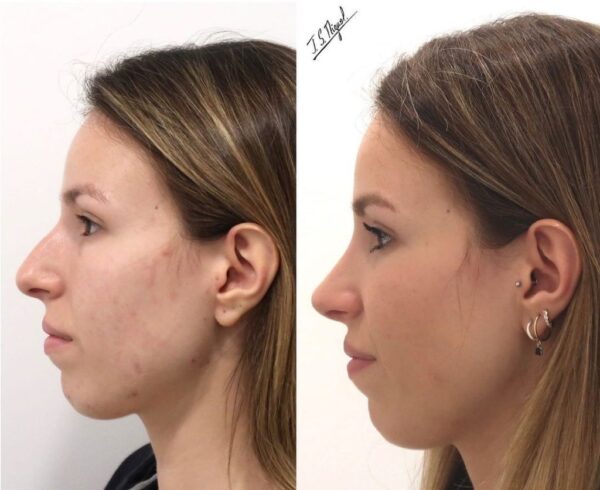
septoplasty is the surgery that enables correction of the deviation of the nasal septum, optimising breathing without necessarily altering the appearance of the nose. This procedure involves trimming, repositioning or replacing parts of the cartilage or of the bone, achieving an flow of air adequate in both nostrils nasal.
It can be carried out at any age, but mostly the patients range between the ages of eighteen and fifty years. In children and patients of advanced age only is recommended in cases very exceptional cases due to the surgical risks it entails.
Normally this operation is carried out in order to:
- Repair a nasal septum that has suffered some severe deformation and is causing an obstruction of the airway in the nose.
- Treating nosebleeds caused by anatomical problems
- To repair a nasal septum that has suffered severe damage of some kind, such as a perforation or damage caused by drug use
Benefits of septorhinoplasty
- Improves your breathing.
- It improves blood oxygenation.
- It corrects cosmetic deformities.
- It treats conditions such as rhinitis or migraine associated with a deviated septum.
All of this helps to improve stamina in daily activities and, above all, in sport; it also leads to better quality sleep and rest, greater concentration, an improved sense of smell and a heightened ability to appreciate flavours, as well as helping to prevent other related nasal conditions, such as sinusitis, nasal polyps, etc.
When should a septoplasty be performed?
Septoplasty, or surgery to correct a deviated septum, is recommended when the patient has any of the following conditions:
- A deviated nasal septum obstructs the airway in the nose.
- Frequent infections or recurrent sinusitis occur.
- There are uncontrollable nosebleeds
- They suffer from severe snoring which prevents a good night’s sleep.
It can be performed at any age, but in the case of children, it is advisable to opt for it only in very exceptional circumstances; it is also recommended that it be avoided in elderly people (due to surgical risks and the risk of poor healing). Most operations are performed on people aged between eighteen and fifty.
View this post on Instagram
How is a septoplasty performed?
Septoplasty is a relatively simple surgical procedure in which part of the nasal cartilage or bone is trimmed, centred and, in some cases, replaced. If the deviated nasal bones are pushing the septum to one side, the surgeon may need to make incisions in these bones to move them and reposition them. Small strips of cartilage called septal splints can help correct a deviated septum when the problem is along the bridge of the nose. They are sometimes used to straighten the septum.
- Anaesthesia:
This may be local or general, depending on the case and the preferences of the surgeon and the patient. - Procedure:
Using internal incisions, the surgeon works on the septum to remove or correct the areas that are deviated. In some cases, it may be necessary to make minor modifications to the nasal bones. - Post-operative care:
Following the operation, the following are placed plugs and splints internal to support the structure and prevent bleeding. Although the procedure does not usually require hospitalisation, the patient must follow certain recommendations for an optimal recovery.
What is the post-operative period following a septoplasty
Septoplasty is not a painful operation, but it may cause some discomfort in the days following the procedure. You may experience mild to moderate pain (pain tolerance varies from person to person) in the nose and face, and the nasal septum may be swollen, weepy or tender. Your doctor may prescribe painkillers to help relieve any discomfort.
- In one week, the healing process of the bones and cartilage should be complete, the nose should lose the swelling and the mucous membrane should heal properly).
- If the surgical procedure proceeds as normal, it is usual for a full recovery to take place a9> take place within a few weeks.
- For the following four days, the patient will wear a nasal pack, which may cause some anxiety.
To reduce the risks of bleeding or swelling, it is important to take certain precautions during the first few weeks.
- Sleeping on your back with your head raised
- Avoid blowing your nose for a few weeks
- Wear clothes that fasten and unfasten at the front
- Avoid moving heavy objects or engaging in activities that are physically demanding, such as aerobic exercise and running, for a few weeks.
Ver Rinoplastia y envejecimiento: Qué pasa con la nariz operada con el tiempo
Results of septoplasty
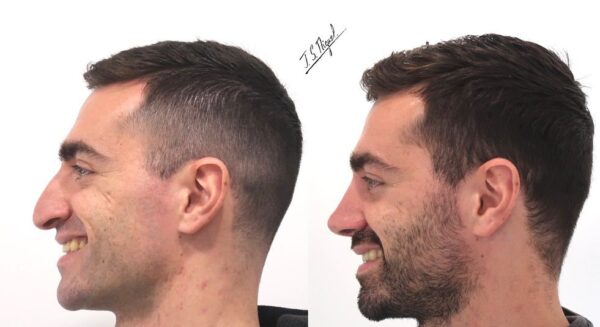
In most cases, the consequence almost immediate of a7> the operation on a deviated septum is the improvement in breathing and reduction in nasal congestion after about 36 hours, when the plugs used to prevent bleeding are removed.
However, it is common to experience inflammation and swelling for several weeks following the operation. As the body recovers and the inflammation subsides, the results will become more apparent.
It may take between three and six months for the nasal septum to healheal completely and for the results to become stable. During this period, it is likely that the tissues of the nose are somewhat stable and they move or change in shape gradually. Some changes may occur up to one year or more after the surgery.
In some cases, the symptoms persist after the surgery. If this happens, you may choose to undergo a second septoplasty to refine the nose and the septum.
Ver Rinoplastia en Hombres: Cómo mejorar tu nariz sin perder masculinidad
What is rhinoseptorhinoplasty
Rhinoseptorhinoplasty or septorhinoplasty is a surgical procedure designed to correct the functional aspects and improve the aesthetic appearance of the patient’s nose, ensuring it harmonises with the rest of the facial features. Its purpose is to correct deviations and malformations of the nasal septum to improve its function and facilitate breathing, but it can also correct certain imperfections of the nose.
In some cases, it is advisable to perform a turbinoplasty during the procedure to improve the function of the turbinates in the nose. and achieve some results optimal.
This dual function is what distinguishes it from simple rhinoplasty, which merely aims to improve the aesthetics of the nose and of septoplasty which corrects the nasal septum solely for medical purposes. With rhinoseptoplasty we can straighten the septum, strengthen the nasal valves and position the nostrils and tip correctly.
View septorhinoplasty
How is a septorhinoplasty performed
General anaesthesia is used for rhinoseptoplasty. The surgery is carried out in two stages:
The first corrects the nasal septum. An internal incision is made to correct the nasal septum. It is usually combined with the reduction of the lower turbinates, correcting the deviation of the nasal septum and the reduction of the turbinates improves improves nasal breathing. Various techniques may be used depending on the severity of the deviation and the structure of the patient’s nose. It is common not to discard the cartilage deviated from the septum of the patient to reinforce and shape the structure of the nose. In some cases, it may be necessary to remove part of the tissue or the bones to achieve a proper alignment.
The second stage is rhinoplasty, open or closed depending on the case, in which the nasal tip and bridge are corrected, that is to say, the part external of the nose.
Once the deviation has been corrected, the surgeon sutures the incisions and fits a9> a nasal splint with tubes for breathing to help keep the septum in its place whilst it heals.
Rhinoseptoplasty is more complex and lengthier than a septoplasty on its own. Generally, a septoplasty can last between 30 minutes and 2 hours, whereas a rhinosepto-plasty usually takes 3 hours.
We would also like to inform you that we now use an advanced technique known as ultrasonic septorhinoplasty, which allows us to reshape the bony structure of the nose without damaging the soft tissues. This results in less swelling and bruising, without compromising the final outcome. It also improves other significant conditions: rhinitis, asthma, pharyngitis or migraine; and from an aesthetic perspective, it achieves changes in appearance with great precision (such as refining the tip of the nose, or correcting a drooping nose).
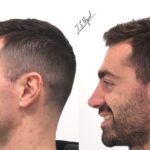
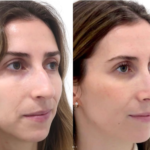
Before vs after a single septorhinoplasty
In these images, you can see the results achieved in three patients following a rhinoseptoplasty:
Which should I have done first, septoplasty or rhinoplasty?
In many cases, septorhinoplasty is the best option. It is very difficult to achieve a good aesthetic result unless the functional problems are also corrected. However, in many cases, we need cartilage or bone grafts to make aesthetic corrections.
The best options in terms of compatibility are our own cartilage or bone, and among the most commonly used grafts are septal cartilage, ear cartilage and rib cartilage. In a septorhinoplasty, whilst correcting the functional nasal problem, we can use the septal cartilage that we have removed and apply it elsewhere.
Book your consultation about rhinoplasty in Barcelona
If you are considering nose surgery because you have both cosmetic and functional issues, the best approach would be to have them addressed in a single procedure through septorhinoplasty. The initial consultation is the ideal time to address any concerns you may have, assess the structure of your nose, and determine exactly what can be achieved in your case.
If you would like more information about the rinoplastia en Barcelona, call us on 622 66 55 59 and we will inform you about all the options that we offer surgery to improve the functionality and aesthetics of your nose. At our cosmetic clinic in Barcelona , we have a long track record in rhinoplasty in Barcelona, with hundreds of patients who are satisfied with the results achieved by our surgeons. 
También puedes leer:
Postoperatorio de la Rinoplastia: Guía completa para una buena recuperación
Rinoplastia de punta nasal. Qué es y Cómo se realiza la cirugía de la punta de nariz
Rinoplastia de Nariz Ancha: Qué es y Cómo se Realiza
¿Cómo saber que necesito operarme la nariz?
Rhinoplasty ultrasonic vs traditional: Differences. Which is better
Nariz aguileña. Cómo corregirla con una rinoplastia
Nariz chata. Cómo se corrige y qué resultados esperar
Cómo conseguir una nariz perfecta. Con o sin cirugía.
Columela colgante. Qué es y cómo corregirla para una nariz más armonizada
Alectomía nasal vs. Alarplastia: diferencias entre estas cirugías para reducir las fosas nasales
Rinoplastia abierta o cerrada: Cuál es la mejor técnica para tu nariz
Rinoplastia masculina: diferencias clave para conseguir un resultado natural
Riesgos de la rinoplastia: qué puede salir mal y por qué importa elegir bien al cirujano

Ha intervenido con éxito a cientos de pacientes que han confiado en sus manos y conocimientos para solucionar todo tipo de problemas estéticos en su rostro.
El dr. San Miguel es uno de los mejores cirujanos de rinoplastia y blefaroplastia en Barcelona y sus pacientes destacan la naturalidad de los resultados que consigue.