Hair transplant Capillary in Barcelona. Regain your hair with the technique FUE Sapphire
Why choose Pedralbes Clinic for your hair transplant
Choosing where to have a hair transplant in Barcelona is an important decision, and at Pedralbes Clinic you will find a combination that is hard to a15> match between medical safety, results natural and close support throughout the entire process. These are the reasons for which reasons more and more patients trust us:
1. State-of-the-art techniques: Sapphire FUE
At Pedralbes Clinic we use the technique known as FUE Sapphire, an advancement of the traditional FUE method a9> traditional method which allows for more precise micro-incisions, less trauma to the skin and faster healing than before. The result: a graft that is more dense, natural and virtually free of visible scars.
2. Operating theatre accredited and maximum safety
Our clinic has an operating theatre accredited and equipped to hospital standards, which ensures a safe a12> safe and sterile environment throughout the procedure. This reduces the risk of complications and ensures conditions are optimal for the procedure.
3. Specialist medical team
Capillary grafting is a technique that requires experience, precision and aesthetic judgement. At Pedralbes Clinic you will work with a team of medical specialists, highly trained and with more than 15 years of experience in hair procedures. The diagnosis is always personalised and realistic.
4. Results that are natural and cases that are real and verifiable
Before you make up your mind, you can see real-life cases of patients who have already been treated at the clinic, with results visible within 9–12 months. This will enable you to understand what you can expect depending on your type of alopecia and donor density.
5. Comprehensive and personalised support
Unlike other options that involve travelling or where follow-up is done remotely, at Pedralbes Clinic you’ll have face-to-face check-ups and support from day one. We monitor your progress every step of the way to ensure you achieve the desired result.
6. Personalised service from the very first consultation
Not all forms of alopecia are the same. During your first visit, we carry out a detailed assessment of your case, we determine whether you are a suitable candidate and we explain each stage of the process with transparency, without promises that are unrealistic or solutions that are one-size-fits-all.

Using the FUE (Follicular Unit Extraction) and DHI (Direct Hair Implantation), which guarantee a high success rate and natural-looking hair growth, at Pedralbes Clinic we can achieve a natural appearance in all the hair transplants we perform in different areas of the head.
However, achieving this kind of positive and desirable result with hair transplants requires more than just medical training; it requires experience and good aesthetic judgement to create a balanced result that is in harmony with your face.
Our specialist medical team will ensure you receive a natural and long-lasting hair transplant.
How is a hair transplant performed:
With today’s hair transplant techniques, it is possible to restore hair loss in a very natural way with long-lasting results. Ourcosmetic surgery clinic in Barcelona is licensed to perform these modern and effective techniques, carried out by an experienced medical team specialising in hair loss and hair treatments.
Methods of hair transplantation:

Currently there are three methods of hair restoration for hair widely regarded as the best methods available:
- FUSS technique or reconstruction of tendons.
- Technique FUE or Extraction of a follicular unit
- Technique FUE Sapphire
In both methods, the basic concept is the same: the follicles that are healthy, which are genetically resistant to baldness, are extracted from the areas selected from the scalp with hair to be implanted in the areas where there is a lower hair density.
Generally, the hair is taken from the sides and the back of the head. The area where the healthy follicles are taken from is is called the “donor area”. These follicles are then transplanted methodically into the area affected by hair loss area of known as the “recipient site”
The main difference between the techniques FUSS and FUE is the method used to extract or harvest the follicles for the transplant.

Benefits for the patient of the technique FUE Sapphire in hair transplants:
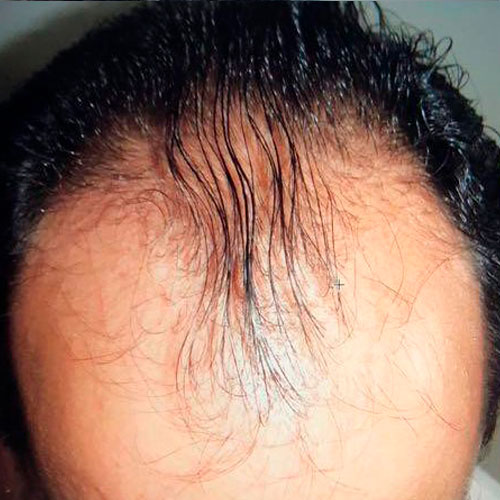
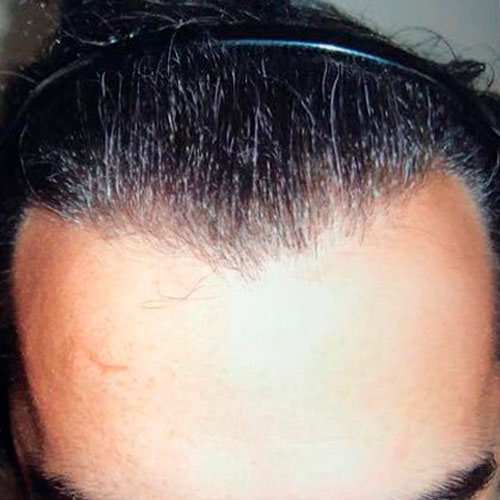
The FUE (Follicular Unit Extraction) technique refers to the extraction of follicular units. The concept of a follicular unit (FU) was first defined by Headington at a histological level as the pilosebaceous unit comprising 1–4 terminal hairs and 1–2 vellus hairs.
Each pilosebaceous unit has sebaceous glands, a neurovascular plexus and a levator muscle of the hair, all of this surrounded by connective tissue perifollicular.
The technique involves the extraction directly from the donor area of the follicular units, using a small punch or cannula with a diameter of 0.7 to 1 mm, a16> diameter, following the angle of the hair. This procedure results in a minimal loss of pigmentation at the site where the extraction takes place, and at the same time less post-operative pain in comparison with other techniques.
However, it is a technique that requires experience and skill to achieve the best results.
The procedure is carried out under local anaesthetic to ensure it is as comfortable as possible. After the extraction of the follicles, the surgeon and his team begin with the implantation of hair based on the restoration a22> restoration which was designed specifically for you.
Using a precise technique, it implants the follicular units into precise locations a9> via through its own scalp, taking due account of the direction in which the hair follicle grows.
The specialised technique for hair transplantation using FUE in Barcelona enables the implantation of thousands of follicles in a single surgery.
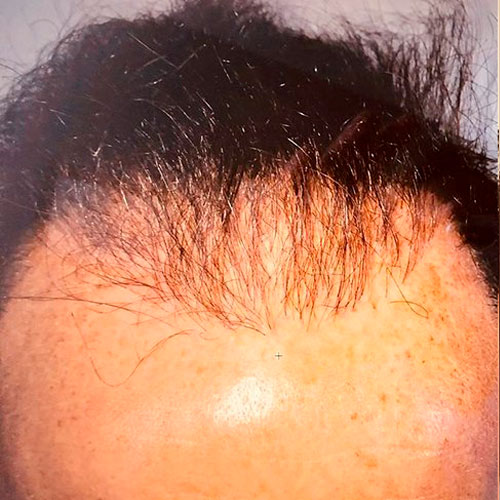
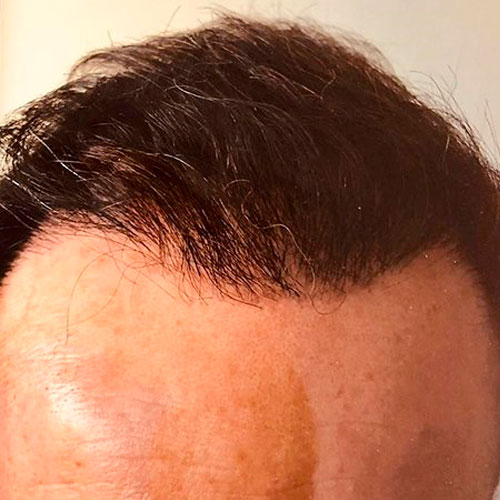

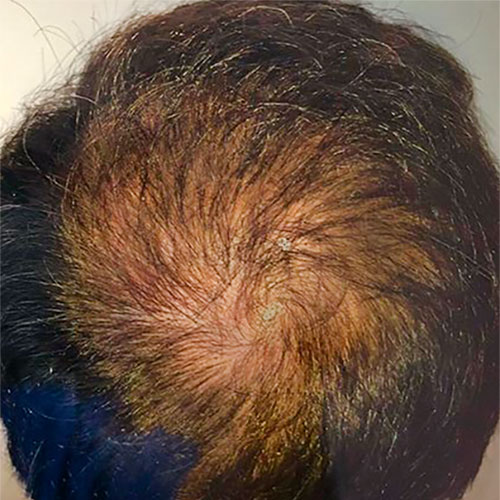
The FUE technique for hair transplantation offers a range of advantages for the patient including the following:
- It is a technique for hair transplantation that is very minimally invasive.
- Allows for more grafts of hair per cm², which means results in a more dense head of hair.
- The direction of the folicle is better preserved than, resulting in a more natural appearance for the transplant.
- It doesn’t leave any scars, which means you can wear your hair very short.
- The post-operative period is easier and quicker.
- Permite la extracción de pelo de otras zonas del cuerpo.
Hair transplant in Barcelona using FUE Sapphire, the most advanced technique.
For all these reasons, at Clínica Pedralbes we have opted for the FUE Sapphire technique to perform our hair transplants in Barcelona.
- The FUE Sapphire technique offers the best results in a a9> very minimally invasive, meaning that there is little discomfort (bleeding, redness, scarring) and it greatly reduces the likelihood of “shock loss” (initial loss of hair when the scabs fall off a31> in the first 15 days before they start to grow back) after the graft capillary, as there is improvement in healing, the scabs fall off more easily and more quickly.
- Follicular extraction is a highly precise and gentle procedure on the tissue to be transplanted, as it is performed on a follicle-by-follicle basis. To do this, the surgeon uses a motorised device with a circular head, known as a punch, which has a very small diameter and extracts the hair in its entirety to preserve its integrity as much as possible.
- By using medical instruments with sapphire tips, we can create smaller channels in which the hair has less room to move, making it more difficult for the graft to shift angle, ensuring an even higher survival and success rate than with the traditional FUE hair transplant method.
- Enables a closer look at the grafts which ensures a more dense hair implantation a9> of hair more dense to create a pattern of distribution of hair with a more natural appearance.
The procedure is carried out under local anaesthetic to ensure it is as comfortable as possible. Once the follicles have been extracted, the surgeon and their team begin the hair transplant procedure based on the restoration plan designed specifically for you. Using a precise technique, they implant the live follicular units into specific locations across your scalp, taking due account of the direction in which the hair grows.
The specialised technique for hair transplantation using FUE Sapphire in Barcelona enables the implantation of thousands of follicles in a single surgery.
Team of specialists with more than 15 years of experience
The quality of hair treatments depends not only on technology, but also on the experience and expertise of the medical team. At our hair transplant unit, you can count on a team of highly qualified dermatologists and hair transplant surgeons, with a proven track record in the diagnosis and treatment of a wide range of hair conditions.
This multidisciplinary team ensures a deep understanding of the complexities of primary healthcare, enabling the provision of solutions that are personalised and effective for every patient.
Choosing the right hair treatment involves taking into account several key factors: the capacity for personalisation, access to cutting-edge technology and support from a team of specialists with proven experience.
Every patient has characteristics that are unique to their scalp and hair health, which is why it is essential to carry out a detailed assessment before a18> before recommending any procedure.
At our clinic, we offer an initial consultation to determine the underlying cause of a13> the condition of the patient’s hair, whether it be hair loss or thinning hair, thinning, dandruff or other related problems.
Based on this assessment, we develop a tailored treatment plan, tailored to the specific needs of the patient, ensuring results that are more effective and satisfactory.
We use the technology for hair transplantation most advanced
Technology plays an important role in the treatment of hair problems. Cutting-edge hair clinics in Barcelona, such as Pedralbes Clinic, apply the latest innovations: from low-level laser treatments to stimulate hair growth, to advanced techniques such as FUE (Follicular Unit Extraction) and DHI (Direct Hair Implantation), which allow us to treat various conditions more effectively, minimising pain and speeding up recovery times.
In this post we explain the main advantages of the technique FUE Sapphire.
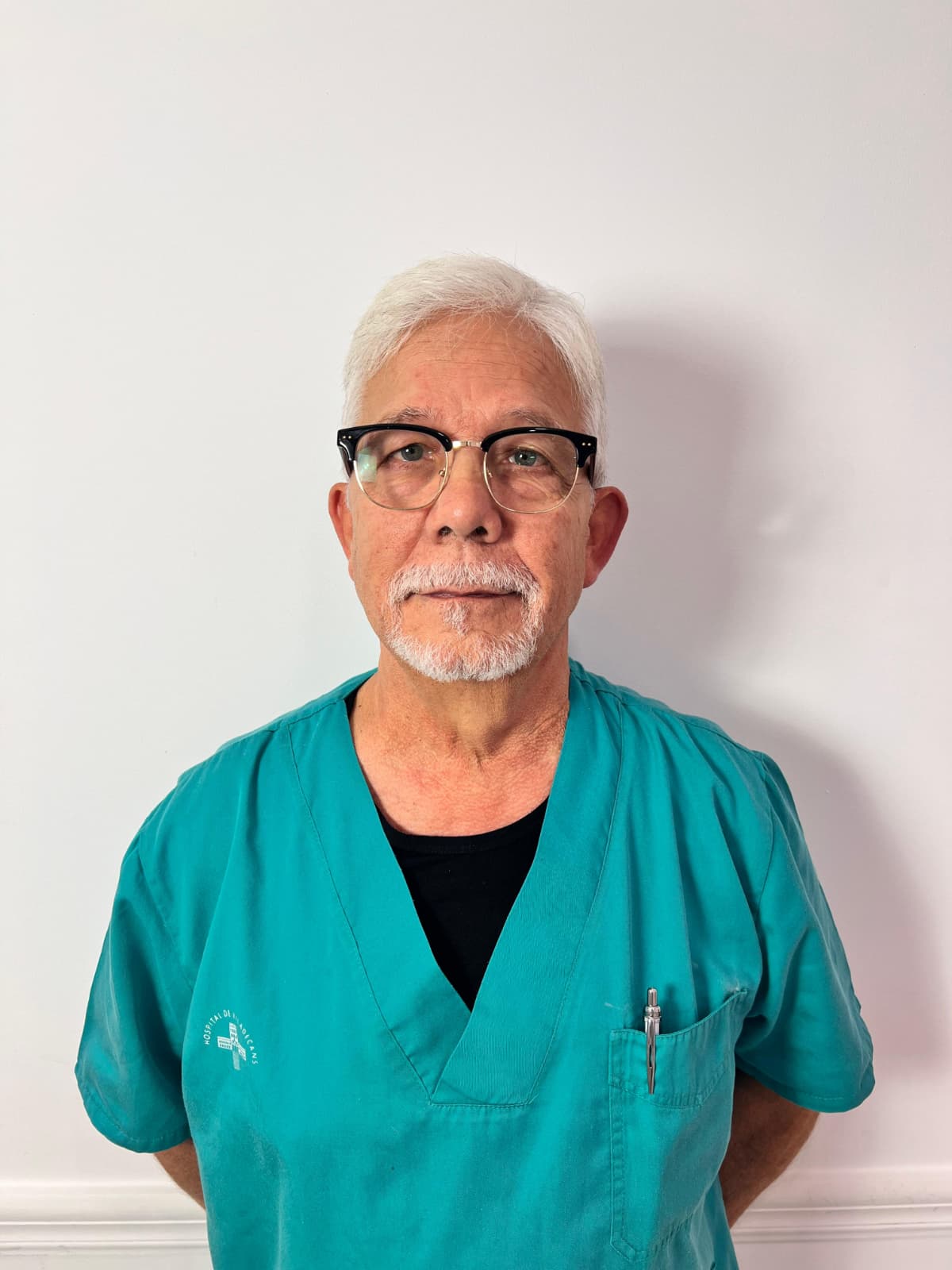
The medical team at our hair clinic in Barcelona
Hair transplants at the Pedralbes Clinic are carried out by a group a7> team of surgeons with extensive experience in grafts of hair in various clinics.
Results before and after a single hair transplant
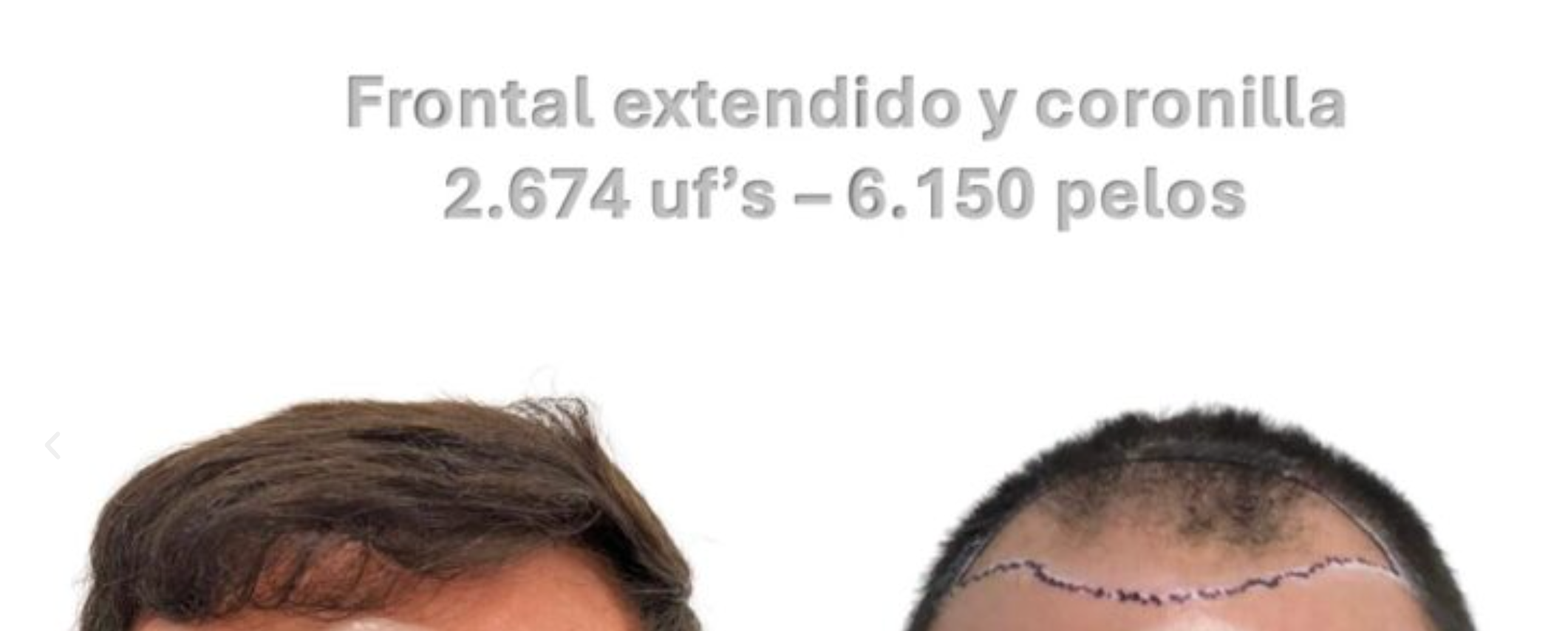
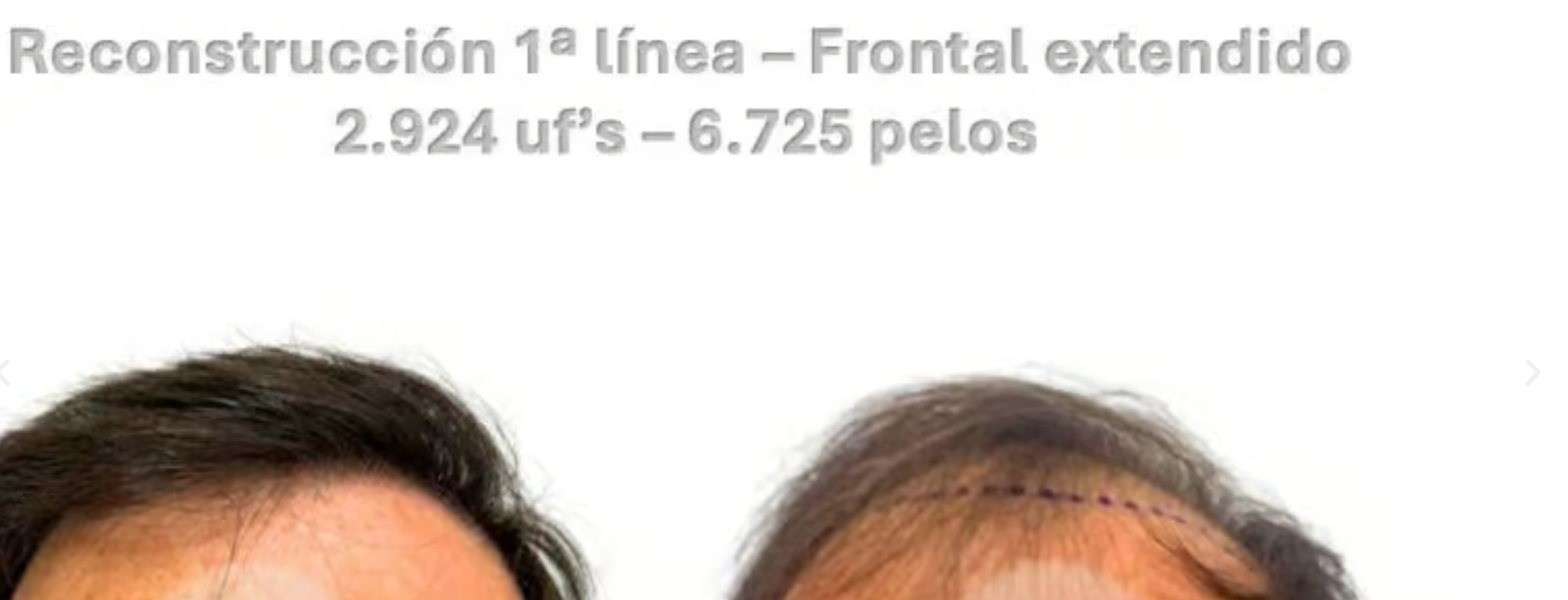
Real-life cases: Results from our patients


What is the price of an approximate hair transplant at Pedralbes Clinic?
From 2,900 euros, the price of the hair transplant at our clinic starts at and includes:
- Use of the FUE Sapphire technique
- Medical team with more than 15 years of experience
- Maximum density that the donor area of the patient can provide a8> provide and that the recipient area of the patient requires,
- Follow-up of the graft until discharge from hospital
- Facilities offering the highest level of security.
To obtain the final price for your hair transplant a7> we must carry out a diagnosis and assessment of your case, request now a first consultation free of charge during which we assess the donor area, type of alopecia, density, real chances of success, etc. Call us on 622 665 559
Preguntas frecuentes sobre el trasplante capilar
Donde estamos
La clínica se encuentra situada en Pedralbes, en el Paseo de Manuel Girona, 14, de Barcelona. Si deseas realizarte la mejor cirugía plástica en Barcelona, no dudes en consultarnos. Nuestro equipo médico te espera para darte la mejor solución en unas instalaciones cómodas y seguras con quirófanos de máxima seguridad.
Cómo llegar a nuestra clínica estética:
- Metro: Estaciones Reina Cristina y Palau Reial de L3
- FGC: Estación Sarrià-Reina Elisenda de L12
- Bus: líneas H4, V5, 63, 68, 75 y 78
- Tranbaix: líneas T1, T2 y T3 parada Maria Cristina

Reserva ahora tu tratamiento en Pedralbes Clinic en Barcelona
Otros tratamientos de cirugía estética:
More information about the hair transplant
Clínica de cirugía plástica en Barcelona
Pedralbes Clinic es una de las mejores clínicas de cirugía maxilofacial en Barcelona. Dispone de unas instalaciones de vanguardia y un experimentado equipo médico estético.
Tanto la intervención como el tratamiento pre y postoperatorio serán realizados en las propias instalaciones de la clínica situada en el Paseo de Manuel Girona, 14, en Barcelona.
Otros tratamientos de cirugía estética: