Rhinoplasty ultrasonic

Rhinoplasty ultrasonic2026-05-13T12:08:49+00:00

WHAT IS ULTRASOUND RHINOPLASTY

Ultrasonic rhinoplasty is the latest advancement in cosmetic nose surgery. This new approach to nose reshaping surgery involves the use of an ultrasonic scalpel (a device that uses high-speed sound waves) which acts solely on the bone, whilst preserving the soft tissues as much as possible.

With this technology, there is no longer any need for the rasps, hammers and surgical chisels used in traditional rhinoplasty to reduce the dorsal hump and narrow the nasal bones.

This means a surgery that is more precise, less bruising and a recovery less bruising and a recovery that is more comfortable for the patient.
Differences between ultrasonic rhinoplasty and traditional rhinoplasty

One of the main advantages of ultrasonic rhinoplasty is the way in which manipulate the structure of the nose (osteotomy).

Ultrasonic rhinoplasty uses an ultrasonic scalpel, which operates with far greater precision than the chisels, hammers and files used in conventional rhinoplasty.

This prevents injuries to the soft tissues around of the cartilage and the bones of the nose, and reduces the appearance of the post-surgical bruises that are so unpleasant, which prevent us from resuming our daily life as normal.

Ultrasonic rhinoplasty versus traditional rhinoplasty:

  1. The reshaping of the bones of the nose is more precise
  2. It is less invasive
  3. There is less bleeding
  4. There is less inflammation
  5. There is less pain
  6. There are fewer bruises
  7. Recovery is faster
  8. The results are more natural
  9. Reduced risk of irregularities and asymmetries

Advantages of rhinoplasty using ultrasound

The advantages of using ultrasound in nasal surgery can be summarised as:

  1. Greater precision in osteotomies
    • Enables a precise millimetre-accurate shaving of the bone
    • Avoid fractures that are unpredictable
    • Achieve results that are more natural and symmetrical
  2. Less surgical trauma
    • Significant reduction in bruising and swelling
    • Lower risk of bleeding
    • Preservation of surrounding soft tissue
  3. A slightly quicker recovery
    • Postoperatorio más cómodo
    • Less time spent on sick leave
    • A significant reduction in side effects side effects
  4. Results more predictable and natural
    • Greater control in rhinoplasty
    • Minimal or barely noticeable scars
    • Results more harmonious with the rest of the face

That is why many patients come to Barcelona looking for a rhinoplasty that causes less swelling and offers greater control over the final shape of the nose.

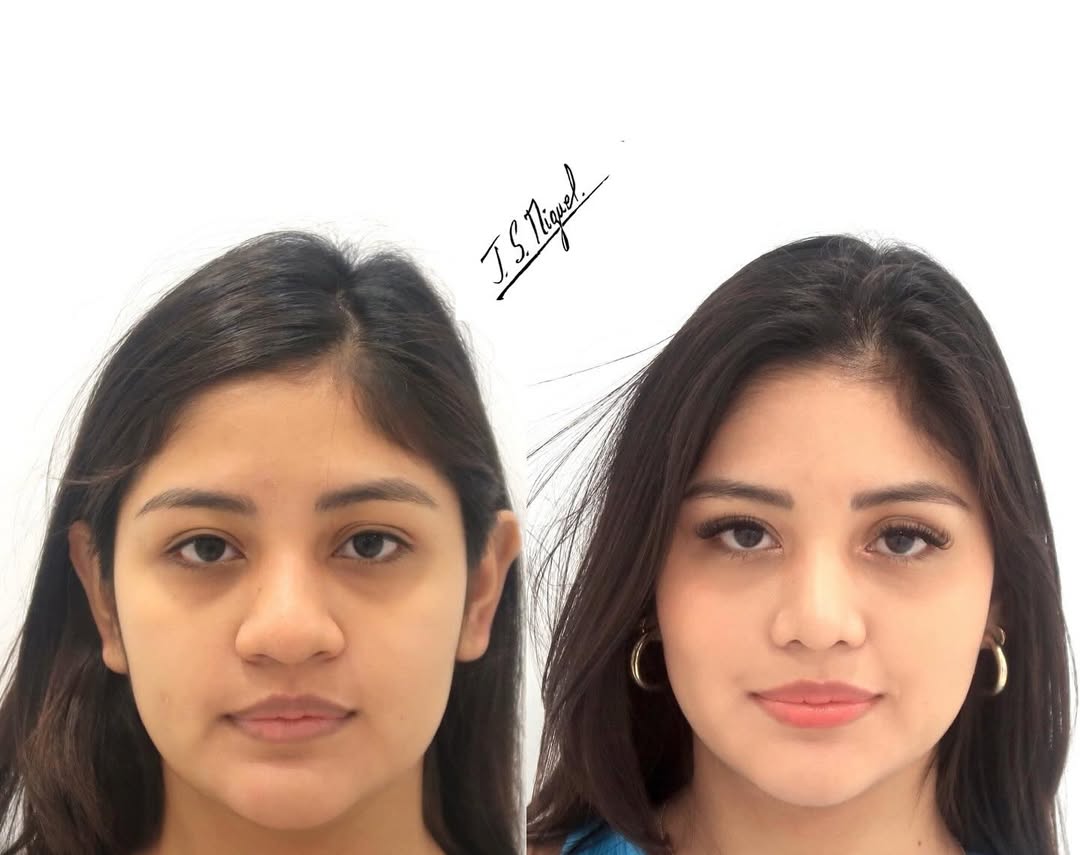
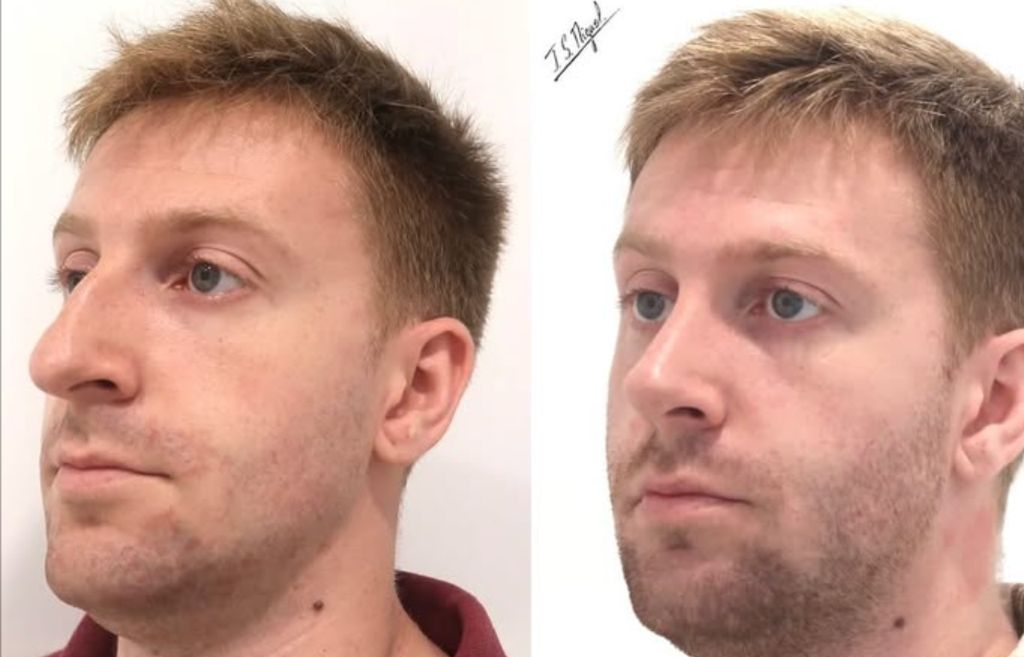
before-and-after- septorhinoplasty
Patient who underwent a rhinoseptoplasty using ultrasound and resection of the alar bases

For which types of nose is the ultrasonic technique recommended?

Ultrasonic rhinoplasty is particularly recommended in cases of:

  • Nose with a hump or bridge of bone.
  • Spine wide or irregular.
  • Nose deviated back trauma.
  • Asymmetries in the back or in the bones of the nose.
  • Rhinoplasty revision when it is necessary to improve the structure of the nose.

During your first consultation, we carry out a comprehensive assessment of your nose (both aesthetic and respiratory) and determine whether ultrasonic rhinoplasty is the most suitable option for you.

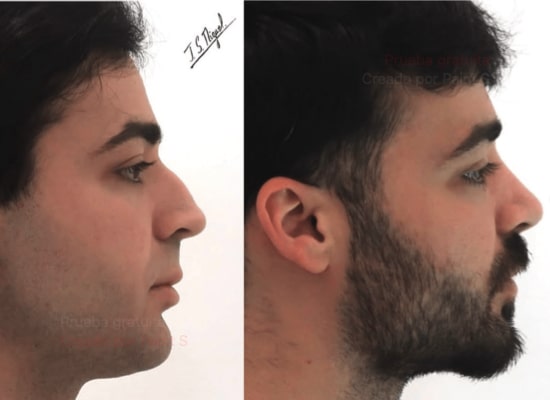
Results rhinoplasty ultrasonic. Before and after

How is performed ultrasonic rhinoplasty

  • Ultrasonic rhinoplasty is usually performed under general anaesthesia, in an operating theatre accredited.
  • The average duration is between 2 and 3 hours, depending on the complexity and whether it is combined with functional correction (septum, turbinates).

During the operation, the surgeon:

  1. Access to the nasal structure is usually achieved via an open rhinoplasty (via a small incision in the columella).
  2. Reshape the bridge of the nose and the nasal bones using a piezoelectric scalpel, avoiding blows and uncontrolled fractures.
  3. Adjust the tip, the septum and the internal structures to improve the shape and breathing.
  4. Apply an nasal splint external. In many cases, traditional earplugs are no longer necessary, instead we use some internal plates which are more comfortable.

By using ultrasound technology, rhinoplasty is gentler on the tissues, which is evident during the post-operative period. Furthermore, it allows for a more precise and controlled reshaping of the nasal bones, thereby giving us greater control over the surgical outcomes.

Recovery times following surgery after the surgery (approximate)

  • Removal of the splint: around the 7th day.
  • Return to work in the office: 7–10 days.
  • Light exercise: from 3–4 weeks onwards.
  • Initial result visible: one month after the procedure
  • Final results: between 6 and 12 months (the time it takes for the inflammation to disappear completely).

At each one of the check-ups, the surgeon will give you personalised recommendations a9> to ensure that your recovery is as quick and safe as possible.

surgeon rhinoplasty in Barcelona

Specialist in rhinoplasty using ultrasound in Barcelona

Dr Joan San Miguel holds a degree in Medicine from the University of Barcelona and in Dentistry from the European University of Madrid.

He holds a PhD from the University of Navarra and is a specialist in facial and maxillofacial surgery, having trained at the prestigious Navarra University Hospital (CHN). A member of the Barcelona Medical Association (COMB) (no. 39345), he is also accredited to practise in Belgium, where he completed a European Fellowship in Cosmetic Facial Surgery at the University Hospital of Brussels (UZ Brussel) under the supervision of Dr Maurice Mommaerts, who is arguably one of the world’s leading facial plastic surgeons.

He is a member of the European Association of Facial Plastic Surgery (EAFPS), the European Association of Cranio-Maxillofacial Surgery (EACMFS) and the Spanish Society of Oral and Maxillofacial Surgery (SECOM), and sits on the board of the Catalan-Balearic Society of Maxillofacial Surgery (SCBCMF).

TE DAMOS LA MEJOR ATENCIÓN MÉDICO ESTÉTICA EN BARCELONA

Llama ahora y pide cita con el doctor para informarte.

TESTIMONIALS

Book now your rhinoplasty using ultrasound in Barcelona

    Pedralbes Clinic is one of themost prestigious cosmetic clinics in Barcelona, featuring state-of-the-art equipment and a medical team with extensive experience who are highly regarded by patients.

    We are well known for our hair transplants and rhinoplasty, amongst other cosmetic procedures. We also carry out all kinds of facial cosmetic procedures such as Otoplasty and Blepharoplasty, the lift of double chin or the lift of lips.

    The clinic is located at Pedralbes, on Paseo de Manuel Girona, 14, in Barcelona. If you wish to undergo the best plastic surgery in Barcelona, please do not hesitate to contact us. Our medical team is looking forward to providing you with the best solution in a set of facilities that are comfortable and safe with operating theatres offering maximum safety.

    Book your first appointment on 622 665 559 and discover everything we have to offer so that you can enjoy a a beautiful body and a harmonious face.

    How to get to our cosmetic clinic:

    • Metro: Stations Reina Cristina and Palau Reial de L3
    • FGC: Sarrià-Reina Elisenda Station Elisenda on L12
    • Bus: routes H4, V5, 63, 68, 75 and 78
    • Tranbaix: lines T1, T2 and T3 stop Maria Cristina

    Frequently asked questions about ultrasonic rhinoplasty

    As there is less trauma to bones and tissues when using the ultrasonic scalpel, many patients tell us about a recovery that is more comfortable.

    In any case, the discomfort is usually mild or moderate and can be managed effectively with a small amount of pain relief.

    If you want more information, you can read Rhinoplasty ultrasonic vs traditional: Differences. Which is better

    El precio de una rinoplastia ultrasónica en Barcelona puede rondar entre los 3.000 y 8.500 euros dependiendo del tipo de nariz y de las necesidades de cada paciente. Para ello, te recomendamos que acudas a la clínica estética de confianza para que el doctor pueda realizarte una valoración e indicar el precio exacto en tu caso.

    Ver ¿Cuánto cuesta una rinoplastia en Barcelona? Precios 2026

    El coste de la rinoplastia ultrasónica depende de:

    • La complejidad del caso,
    • La necesidad de corregir el tabique u otras estructuras internas,
    • El tiempo de quirófano y el tipo de hospital.
    • si es primera rinoplastia o una rinoplastia secundaria,

    En la primera visita analizamos y valoramos tu caso para darte un presupuesto cerrado, que incluye:

    • honorarios del cirujano y del anestesista,
    • gastos de quirófano y hospital,
    • revisiones postoperatorias,
    • controles posteriores.

    Disponemos de opciones de financiación para facilitar el tratamiento a nuestros pacientes de Barcelona y alrededores.

    Te recomendamos que acudas a la clínica estética de confianza para que el doctor pueda realizarte una valoración e indicar el precio exacto en tu caso.

    Ultrasonic rhinoplasty usually takes approximately between 90 minutes and 2 hours, duringwhich during the patient is administered general anaesthesia.

    In many cases, especially when there is significant work to be done on the back bone, rhinoplasty ultrasonic is the first option, but the decision regarding the technique most suitable for improving the appearance and functionality of the nose depends on the type of deformity. During the consultation, we will assess this together with you.

    The results of ultrasonic rhinoplasty are excellent and similar to those of conventional rhinoplasty, the only difference being that it produces a more precise incision, the healing process will be shorter a22> and we avoid there being fewer post-operative touch-ups.

    The actual results of ultrasonic rhinoplasty become visible after the first month and are fully established after a year, although this may vary from person to person, depending on each patient’s skin type.

    In the first few days following rhinoplasty, the nose will be swollen and may show visible bruising, particularly if any bones have been broken. This swelling is most noticeable during the first few weeks and will gradually subside over time. Any bruising, if present, is usually around the eyes and will fade within a couple of weeks.

    The final shape of your nose will begin to become apparent as the swelling subsides, but it is important to bear in mind that your nose will continue to change subtly over the year following the operation. These changes are normal and form part of the healing process. The tip of your nose may feel firm or numb, but this sensation will also improve over time.

    In terms of aesthetics, if the procedure was performed to correct irregularities or asymmetries, the nose should appear more symmetrical and in harmony with the rest of the facial features. Any bumps or indentations on the bridge of the nose will have been reduced, and the tip of the nose may have been refined or lifted in line with the pre-operative specifications.

    The recovery period following this type of rhinoplasty is shorter than that of conventional rhinoplasty.

    Only a few bruises or swelling will occur on the face or around the the eyes, although very mild and which will will eventually disappear within the few days.

    During the post-operative period, a nasal splint is used and must be worn for the period specified by the surgeon (approximately 5 to 8 days).

    On the other hand, the most uncomfortable part is having to wear the dressings for a few days, although there is hardly any pain during this time. This is simply a preventive measure to reduce the likelihood of bruising.

    Once this period is over, you can go about your daily life as normal, bearing in mind that you shouldn’t overexert yourself at first; you should wait at least a month.

    Why do we need to wear a splint after a rhinoplasty

    Doyle splints are silicone splints consisting of a tube through which the patient can breathe; these are connected to a plate positioned on the nasal septum and inserted into each nostril, which helps to better control nosebleeds and the accumulation of blood in the nasal septum. These splints help to minimise potential complications and enable the patient to breathe through the nose throughout the post-operative period.

    As for rest, the patient should stay at home on the first day. You can go for a walk and carry on with an almost normal life. You only need to keep the Doyle splints and the thermoplastic external splints on for a few days.

    Obviously, during this period, you should avoid activities that could jeopardise the healing of a blow to the nose, and you should not exert yourself – whether by running or bending down repeatedly – so that the blood vessels can heal properly.

    The dressing or splint is usually removed 7–10 days after the operation. At this stage, although the general shape of the nose will be apparent, there will still be some residual swelling, and the nose’s final appearance will become clear over the following months. Follow-up appointments with the surgeon are essential to monitor your recovery.

    The post-operative period following a rhinoplasty using ultrasound, although less traumatic than the traditional methods, requires care and attention on the part of the patient. Following the instructions of the surgeon and being patient during the recovery process is essential to ensure that the final results are satisfactory and in line with expectations.

    You are a good candidate for ultrasonic rhinoplasty if:

    • Does the size or shape of your your nose and you want to change its appearance.
    • You wish to have an injury or damage to your nose treated.
    • Do you snore loudly, suffer from sleep apnoea or have difficulty breathing?
    • You are in good health, both mentally and physically.
    • You have realistic expectations about what can be can be achieved with this type of rhinoplasty
    • You are over 18 years old.
    • You must stop smoking a3> smoking in the weeks leading up to the procedure and during the recovery period, as this may hinder the healing process.

    If you have serious health problems, such as diabetes, high blood pressure, a bleeding disorder or a heart condition, you may not be a suitable candidate for surgery. If you are obese or drink a lot of alcohol, you may not be a good candidate for surgery.

    At the initial consultation, the surgeon will ask you about your medical history and about any medication you are taking. It is important that you are open and honest about your medical history, so that the operation is a complete success.

    The risks associated with ultrasonic rhinoplasty are minimal and similar to those of the conventional technique, if not lower.

    The greatest risk may be an unsatisfactory result for the patient, although nowadays, thanks to improved techniques, the results are generally highly successful.

    Bleeding with this technique is less severe and post-operative breathing difficulties are minimal and almost non-existent.

    See How long will it take me to recover from a rhinoplasty?

    Clínica de cirugía plástica en Barcelona

    Pedralbes Clinic es una de las mejores clínicas de cirugía maxilofacial en Barcelona. Dispone de unas instalaciones de vanguardia y un experimentado equipo médico estético.

    Tanto la intervención como el tratamiento pre y postoperatorio serán realizados en las propias instalaciones de la clínica situada en el Paseo de Manuel Girona, 14, en Barcelona.

    Otros tratamientos de cirugía estética:

    Go to Top