WHAT IS OTOPLASTY
Otoplasty is a surgical procedure a4> which enable us to alter the size and position of the ears, correct what is usually referred to as “ear of murmur” and/or resolve problems with the size of the lobe of the ear or removing stretches made with earrings.
In most cases the surgery on ears involves in ensuring that the ears that are excessively prominent (protruding ears) are move closer to the head, this technique being called pinnoplasty.
On other occasions the cosmetic procedure involves in the reduction of the size of the ear, in order to achieve a pair of ears that are smaller; we refer in this case a76> of surgical intervention for macrotia.

Finally, on some occasions, the lobe of the ear may be modified to correct the after-effects of earring stretchers, or for the correction of lobes that are excessively large. This is referred to as lobuloplasty.
Seventy per hundred of patients who undergo undergo otoplasty in Barcelona are young men.
Types of Otoplasty
We guarantee:
Results of otoplasty
As with all cosmetic procedures, one of the things that concerns patients most is the outcome of otoplasty. The aim of this procedure is to improve the appearance of the ears, achieving an improvement, though not absolute perfection.
The experience of the surgeon is very important for ensuring that the outcome is satisfactory and will always do everything possible to achieve absolute perfection, although it can never be guaranteed, what can indeed be guaranteed is is that there will be a significant improvement in the result.
The fact that is taken into account before carrying out the operation are the expectationsof the patient and the results that they expect to have.
If you are considering undergoing an ear surgery you can get in touch with us and we we will provide more information without obligation and about what results you can expect.
How much does it cost for ear pinning surgery in Barcelona
How much does an ear pinning operation cost in Barcelona
Now, you can have an ear correction to achieve a pair of ears more harmonious with your face from €2,500.
With all the guarantees that we offer at Pedralbes Clinic:
1. A surgeon specialist, with a long track record in the operating theatre and cases of success that can be demonstrated, such as Dr Joan San Miguel.
2. Our surgical facilities of our own with the best facilities and medical staff who are well-qualified.
3. A thorough analysis carried out beforehand so that you know what you are going to achieve with your ear pinning surgery
4. Monitoring by the surgeon during the postoperative period.
Otoplasty before and after
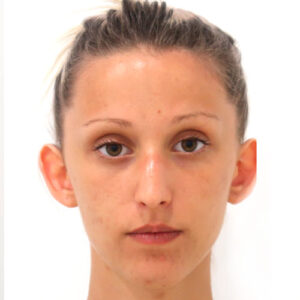
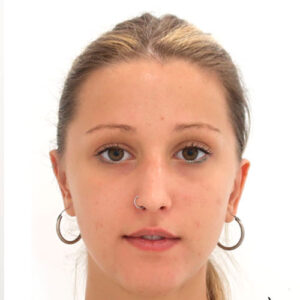
Patient who presented with a problem involving excess of tissue shell, protrusion of the antihelix and lobe excessive.
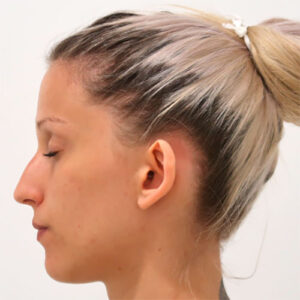
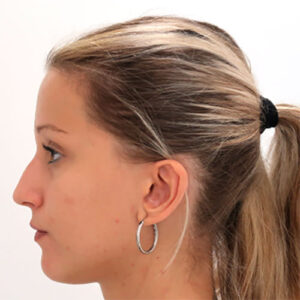
The deployment of the antihelix can be can be seen very clearly in the photographs of the profile.
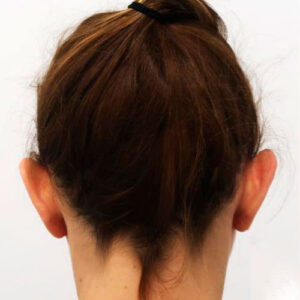
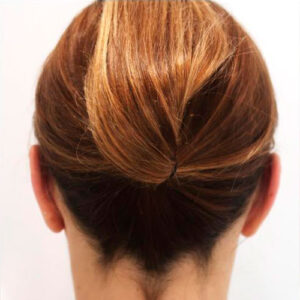
The excess of tissue in the shell can be seen in the image below. The appearance of the scar can be seen three months after the procedure.

TESTIMONIALS
“The doctor is fantastic”
“Muy buena experiencia con dr joan sant miguel moragas, buena atención y buen servicio. El dr es fantástico y ofrece un trato muy cercano a sus pacientes. Gracias por todo.”
Our patients have their say
Donde estamos
La clínica se encuentra situada en Pedralbes, en el Paseo de Manuel Girona, 14, de Barcelona. Si deseas realizarte la mejor cirugía plástica en Barcelona, no dudes en consultarnos. Nuestro equipo médico te espera para darte la mejor solución en unas instalaciones cómodas y seguras con quirófanos de máxima seguridad.
Cómo llegar a nuestra clínica estética:
- Metro: Estaciones Reina Cristina y Palau Reial de L3
- FGC: Estación Sarrià-Reina Elisenda de L12
- Bus: líneas H4, V5, 63, 68, 75 y 78
- Tranbaix: líneas T1, T2 y T3 parada Maria Cristina

Reserva ahora tu tratamiento en Pedralbes Clinic en Barcelona
Otros tratamientos de cirugía estética:
Frequently asked questions about otoplasty
El campo quirúrgico se prepara de forma que no existan cabellos que se introduzcan en la incisión. Entonces se procede a la anestesia del pabellón auricular, con lidocaína al 1% junto con adrenalina al 1.200.000, que se inyecta en la parte posterior de forma tumescente, consiguiendo una perfecta difusión en la parte anterior, la cual no hará falta que sea infiltrada. La duración de la anestesia para la otoplastia es de unas 3 horas, y el tiempo total de la intervención es de una hora y ½ a dos horas. Procedemos entonces a cubrir el campo quirúrgico con una disolución de clorhexidina transparente, colocando acto seguido los paños estériles.
A pesar de que hay cirujanos que realizan un abordaje anterior, es preferible el abordaje posterior, por atrás, de modo que la cicatriz quede totalmente camuflada.
La morfología de la incisión puede ser con forma de huso, aunque esto puede dar lugar a una deformidad llamada en “orejas en teléfono”, ya que con este tipo de incisión se extrae escasa cantidad de tejido cutáneo del lóbulo y del polo del pabellón auricular.
Por esta razón se prefiere utilizar la incisión propuesta por McDowell, con forma de reloj de arena, para conseguir evitar este problema. Cuando el lóbulo es excesivamente prominente se usa la incisión propuesta por Wood-Smith en el año 1980” cola de pescado”, para poder acercar el lóbulo a la apófisis mastoides.

Dibujo esquemático de la incisión de McDowell
Se procede entonces a la remoción del tejido cutáneo que sobra en la parte posterior. Seguidamente se procede a aminorar la protrusión del cartílago conchal. Furnas propuso la introducción de un procedimiento para suturar el cartílago conchal al tejido perióstico que se halla recubriendo la apófisis mastoidea del cráneo.

Dibujo esquemático de la técnica de Davis
A pesar de que esta técnica es poco invasiva, conlleva el inconveniente de que el resultado puede ser menos estable a largo plazo y es posible que conforme vaya pasando el tiempo los pabellones auriculares vuelvan a protruir hacia fuera; por lo tanto puede utilizarse en los pacientes con protrusión leve o moderada. La técnica que proporciona resultados más estables es la de Davis, que consiste en la extracción de tejido conchal con forma arriñonada, siempre respetando unos ocho mm de antihélix en altura.
Cuando se ha aminorado la proyección del cartílago conchal, procedemos al plegamiento del antihélix y a proporcionarle una morfología más estética. Se han propuesto muchas técnicas en las que se extraen huesos de cartílago; no obstante estos procedimientos pueden dar a largo plazo problemas de carácter estético, con antihélix presentando morfologías excesivamente angulosas y “esqueletizadas”.
Así pues, el procedimiento que da mejores resultados es el propuesto por Mustardé, con la que se consigue el plegamiento del antihélix gracias a aplicar suturas colchoneras con hilo de PTFE de 5/0 de calibre.
Previo a la introducción de los puntos se tiene que hacer más débil el cartílago en la zona donde se quiere efectuar el pliegue. Puede hacerse con una una lima manual con acceso desde la porción anterior, aunque ello puede puede inflamar mucho la zona , puede dar lugar a ampollas y algunas veces a pérdida de sustancia después de la cirugía.
Lo más correcto es acceder por la parte posterior, debilitando el tejido cartilaginoso mediante pequeñas incisiones hechas con bisturí frío, aunque es preferible la técnica que propuso Bajaj en el año 2007, mediante el uso de instrumento rotatorio, con fresado de la zona que se quiere debilitar.

Colocación de los puntos de politetrafluoroetileno también llamados “suturas de mustardé” u “otoplastia con hilos”

Dibujo esquemático del procedimiento de Bajaj que debilita el tejido cartílaginoso sin necesidad de hacer incisiones o raspado manual.
Cuando el cartílago en la zona del pliegue se ha debilitado, se procede al marcaje de la zona que se va a suturar. Para ello se introducen tres agujas que marcan con azul de metileno desde la parte anterior. Cuando las suturas son anudadas el cartílago se pliega. Es de mayor importancia que cada punto sea anudado con una tensión diferente para no dar así un resultado pobre estéticamente. La parte del polo auricular es la que requiere una sutura más laxa, para así obtener una morfología más natural.
El cierre de la herida se realiza por planos. Primero hay que resuturar el SMAS (tejido aponeurótico entre el cartílago y el tejido cutáneo) que antes se ha respetado mediante suturas de poliglactina; así se evita una extrusión de los puntos de PTFE en el post-operatorio. El plano de piel se cierra con una sutura continua de Nylon de calibre 5/0, que se retirará a los quince días de la cirugía.
Once the surgery on the ears has been completed, a bandage soaked in antibiotic ointment is applied, to protect the area that has been treated. Immediately afterwards a gauze pad is applied which is cut in such a way that it protects as well from behind; after which last a bandage is applied, which must be must be worn for four to five days without being removed.
After this period the dressing is removed and the patient should put on put on a compression bandage, which must be worn for at least one and a half (around 12 hours a day or more), gradually reducing the frequency of its use.
Following the procedure, the patient will be protected by treatment with medication, which includes antibiotic antipseudomonas medications (Ciprofloxacin) for ten days, analgesics, anti-inflammatories and regulators of haemostasis.
On the day of the procedure, the patient may experience increased discomfort, in which case additional painkillers may be prescribed.
The final results of otoplasty become apparent around three months after the procedure; and it is very important to follow the post-operative care instructions carefully in order to achieve an excellent result.
Like any major surgery, otoplasty carries the usual risks, such as the risk of bleeding, infection and an adverse reaction to the anaesthetic.
Other risks associated with otoplasty include:
Problems with the points that are are made to secure the new shape of the ear. On rare occasions they may emerge towards the surface of the skin and they must be removed.
As a result of the changes during the process of healing may result in a slight asymmetry of the ears or maintain the one that already existed.
The repositioning of the ears following otoplasty may affect temporarily the sensitivity in that area, but in the majority of cases it is fully restored.
To avoid risks, as with any surgery, it is very important to consult a surgeon with proper training and experience in the operating theatre dealing with various types of problems. Performing the operation, in suitable facilities and assisted by a team of professionals.
At Pedralbes Clinic, you have access to the best team of medical professionals and the facilities for surgery most up-to-date facilities to undergo an otoplasty in Barcelona with a full guarantee.
Otoplasty for cosmetic purposes is not covered by the National Health Service, and will only be covered in those cases where the deformity is so significant that it may affect the health of the patient’s hearing a17> of the patient or may result in a psychological disorder.
The costs of otoplasty in Barcelona can vary considerably depending on on each clinic and also on each individual case. It may be that perhaps you only need surgery on one ear or both ears.
From €2,500 you can fix any cosmetic problem a7> on your ears at Pedralbes Clinic with an otoplasty.

Paciente con exceso de concha y malplegamiento de antehélix. Antes y después.

Paciente que acudió con exceso de tejido conchal con un plegamiento correcto del antihélix, requiriendo solamente actuación a nivel de la concha.

Paciente en la que sólo existe una hipertrofia de concha. Antes y después (4 meses).

Misma paciente. Visión sagital.

Misma paciente. Visión retro-nucal. El aspecto de la cicatriz tras 4 meses es excelente.
Clínica de cirugía plástica en Barcelona
Pedralbes Clinic es una de las mejores clínicas de cirugía maxilofacial en Barcelona. Dispone de unas instalaciones de vanguardia y un experimentado equipo médico estético.
Tanto la intervención como el tratamiento pre y postoperatorio serán realizados en las propias instalaciones de la clínica situada en el Paseo de Manuel Girona, 14, en Barcelona.
Otros tratamientos de cirugía estética: