WHAT IS UPPER EYELID SURGERY
Upper blepharoplasty, as part of blepharoplasty, is the procedure that removes the excess of skin from the eyelids upper leaving a appearance that is more
.
This cosmetic procedure is recommended to improve the appearance of the eyes in those patients who:
- has excess of skin in the area of the upper eyelid
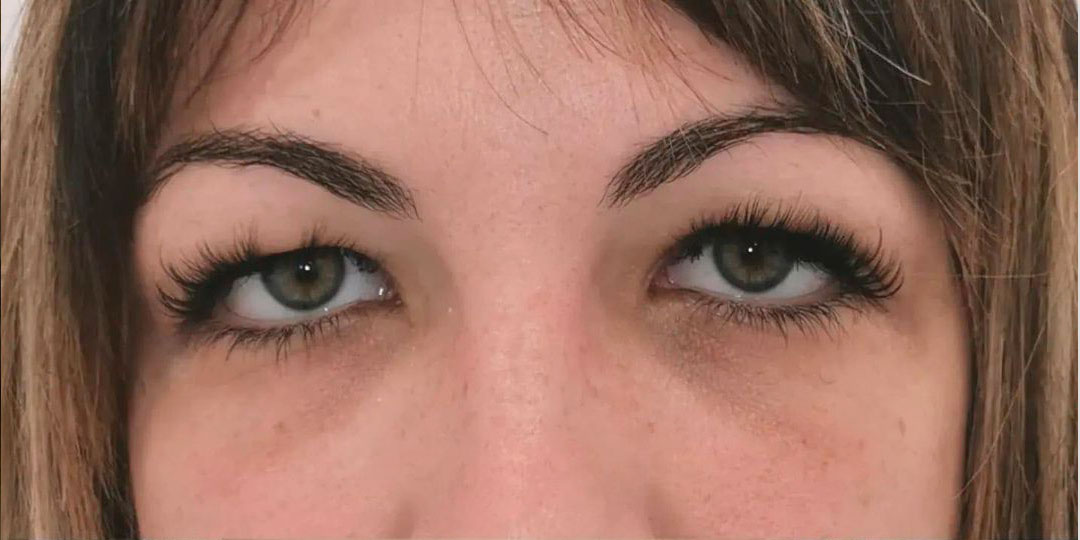
- The eyelid is drooping
- Excess of skin that prevents clear vision a7> or causes the eyelids to feel heavy and difficult to open (it is not just a cosmetic problem, but also a medical one).


What are the causes of excess skin on the upper eyelid?
In general, excess skin on the eyelids is due to:
- Ageing
- Genetics
- infections or allergic reactions
- Exophthalmos ( bulging eyes)
Sometimes a drooping eyelid is not the result of a relaxation of the muscles of the eyelid a8> the muscles of the upper eyelid, but may also contribute to the relaxation of the skin of the forehead and the eyebrows.
Surgery on the eyelids or upper blepharoplasty
The skin loses its elasticity and the muscles become relaxed with age. Even on the eyelid, the effect of the process of ageing is is exacerbated by the accumulation of the skin on the upper eyelids (with the formation of actual folds).
Before the operation, the amount of skin and tissue to be removed is assessed and marked with a pen. If a decision has been made to perform a brow lift, this is carried out before the blepharoplasty. Upper eyelid surgery can be performed under local anaesthetic, with oral or intravenous sedation, or under general anaesthetic.
The excess tissue from the upper eyelid is removed then and this includes the skin, possibly muscle and the removal of some of fat from the eye socket of the eye if it is indicated. The most important of the care is taken to ensure that the eye itself is not injured. The incisions are made in the crease of the skin of the upper eyelid to conceal the scar.
In those cases where the skin that builds up obstructs the view, a reduction of the eyelids (blepharoplasty) is used for:
- Remove the excess of skin
- Reduce muscle relaxation
- Remove the deposits of fat
Sometimes it is only necessary to reduce the amount of skin , other times the skin and the fat and, sometimes only the fat.
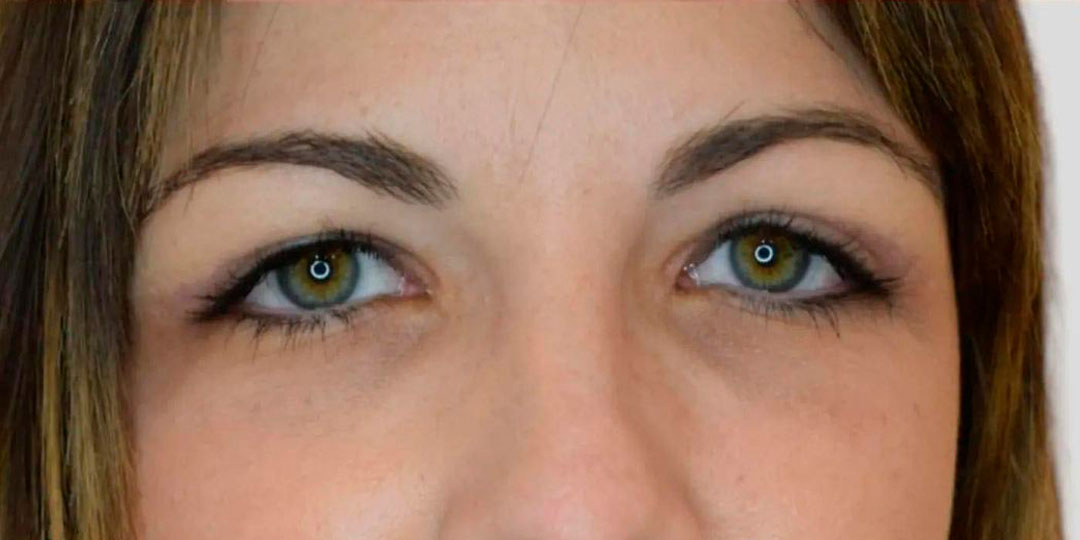
Upper eyelid surgery can be performed under local anaesthetic, with sedation if required, at the clinic. The procedure takes approximately one hour. Swelling and bruising may last up to two weeks, and the scars are generally barely noticeable.
Post-operative care upper blepharoplasty

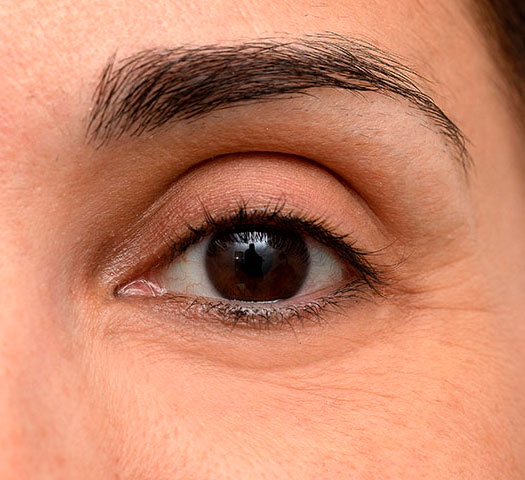
After blepharoplasty, it is advisable to keep your head elevated for two days to reduce swelling; you can also use cold compresses, clean the eye with sterile water, and use eye drops (as recommended by the surgeon).
The stitches are usually removed after 3–5 days (you can use the suture strips to support the lower eyelids for about a week). Closing your eyes may be uncomfortable after surgery due to swelling and because skin has been removed. This will improve as the swelling goes down. Your eyes may look a little watery after surgery, as the conjunctiva and tear ducts will be swollen due to a reduction in drainage. This discomfort will last for two weeks.
Bruises and black and blue marks may be visible during the first few days but you won’t feel the pain easily a10> pain and they can be easily concealed with make-up and dark sunglasses, the surgeon will give you the relevant details. The scars will be pink for a few months, but over time they will be almost invisible.
In some cases, it can be combined with a lower blepharoplasty to remove the bags or dark circles under the eyes which age and give a appearance of tiredness to the eyes.
Otros tratamientos de los párpados

Reserva ahora tu tratamiento en Pedralbes Clinic en Barcelona
Otros tratamientos de cirugía estética:
Clínica de cirugía plástica en Barcelona
Pedralbes Clinic es una de las mejores clínicas de cirugía maxilofacial en Barcelona. Dispone de unas instalaciones de vanguardia y un experimentado equipo médico estético.
Tanto la intervención como el tratamiento pre y postoperatorio serán realizados en las propias instalaciones de la clínica situada en el Paseo de Manuel Girona, 14, en Barcelona.
Otros tratamientos de cirugía estética: